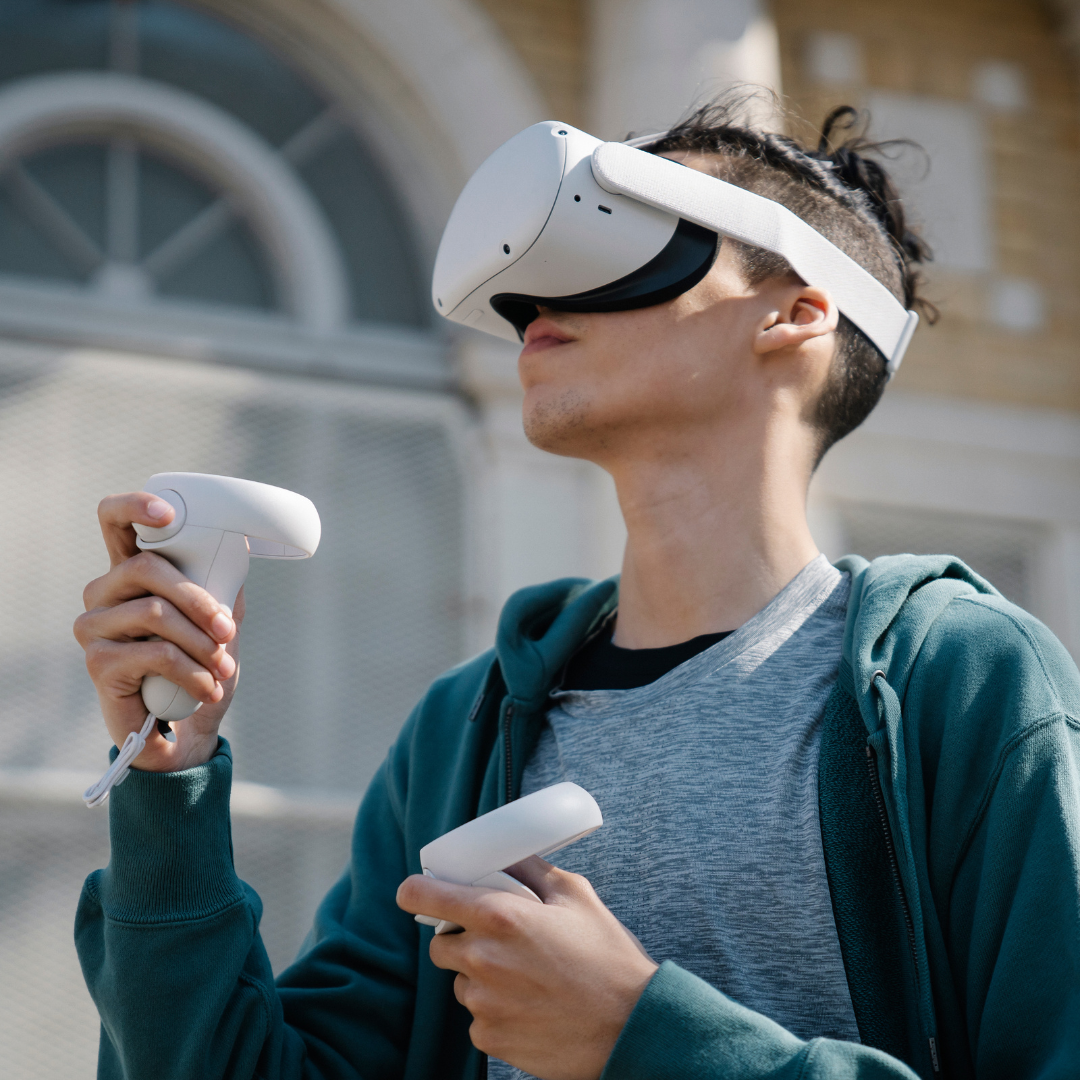
Virtual reality sports represent a significant shift in how individuals engage with physical activities. By merging advanced technology with immersive experiences, VR allows players to participate in various sports without leaving their homes. Through the use of virtual reality, users can experience the thrill of competitive sports while enhancing their skills and fitness levels.
This innovative approach not only simulates the adrenaline of real-world sports but also provides opportunities for training, strategy development, and entertainment. As the technology evolves, so does the potential for more intricate and realistic environments, inviting both enthusiasts and newcomers to explore these digital arenas. Virtual reality sports are redefining what it means to be active, pushing the boundaries of sports engagement to new heights.
The appeal of VR lies in its ability to cater to individual preferences, making sports accessible to a broader audience. Whether it’s football, tennis, or boxing, virtual reality creates an inviting platform for skill development and social interaction. With continued advancements in VR technology, the future of sports participation appears immersive and dynamic.
The Evolution of Virtual Reality in Sports
The journey of virtual reality in sports highlights technological advancements and shifts in user experiences. This evolution has transformed how athletes train, how fans engage, and how sports are presented.
Historical Developments
Virtual reality began to gain traction in the 1960s with primitive systems like the Sensorama. The term “virtual reality” was coined in the 1980s, aligning with advancements in computer graphics and display technology. In sports, the early 2000s saw VR being used primarily for simulation training. Athletes could practice scenarios without physical limitations.
The use of VR technology had a significant impact by the 2010s. Companies like Oculus and HTC revolutionised consumer access to immersive tech. Sports organisations began employing VR for coaching and fan engagement, marking a turning point in how games could be experienced.
Current State of Virtual Reality Sports
Today, VR has become an integral part of sports training and viewing experiences. Athletes utilise VR systems to refine skills and prepare mentally for competitions. This immersive training helps in replicating real-game scenarios without the risk of injury.
Fans also benefit from VR technology. Live game experiences are enhanced through VR headsets, allowing users to feel as if they are seated in the stadium. Major leagues, like the NBA and NFL, are offering virtual fan experiences to engage a broader audience. This shift towards immersive experiences is changing the way sports are consumed.
Future Trends in Virtual Sports
The future of VR in sports looks promising, with anticipated advancements in technology further enhancing user experience. Innovations such as augmented reality (AR) and mixed reality (MR) are expected to blend the digital and physical realms even more seamlessly.
Additionally, the integration of AI with VR may lead to personalised training regimens and tailored fan experiences. Sports teams might employ VR for strategic planning, and analysing opponents in a virtual space.
As consumer technology advances, more mainstream adoption of VR in sports is likely, to create rich, engaging environments for both athletes and fans.
Applications of VR in Various Sports
Virtual reality (VR) technology is transforming athletic training and performance across various sports. Its applications enhance skill development, offer simulation environments, and create engaging practice scenarios for athletes.
Basketball and Football Training
In basketball and football, VR offers immersive training experiences. Athletes can engage in realistic game scenarios without the physical strain of on-field practice. For basketball, players can work on shooting techniques, and defence strategies, and play rotations in a virtual gym.
Football training applications allow players to review gameplay tactics and improve decision-making skills. Coaches can simulate match conditions, helping athletes improve their spatial awareness and reaction times. VR also enables the analysis of performance metrics, allowing for targeted improvement in skills.
Golf and Racing Simulation
Golfers benefit significantly from VR by practising their swings and putting techniques. Realistic simulations offer feedback on swing mechanics and posture, helping players refine their skills. This technology allows golfers to play on virtual replicas of famous courses, enhancing their mental game.
In racing, VR simulations provide drivers with high-speed scenarios to improve their reaction times and track familiarity. They can practise manoeuvres and adjust strategies in a controlled environment. This training method is essential for mastering complex courses and enhancing real-world performance.
Baseball and Table Tennis Advances
Baseball uses VR to enhance batting and fielding skills. Players can face pitches from virtual pitchers, allowing for targeted practice in timing and technique. The technology tracks swing mechanics, offering insights that can lead to performance improvements.
In table tennis, VR applications help players refine their reflexes and stroke techniques. Athletes can simulate matches with various opponents, improving their ability to read plays and respond effectively. The immersive environment challenges players to adapt quickly, benefiting their real-world performance.
Fishing and Bowling Experiences
Fishing simulations enable enthusiasts to practice techniques and learn about different fishing environments. VR introduces various weather conditions and water types, allowing users to experience diverse fishing scenarios. This practice is invaluable for honing skills prior to real-life fishing trips.
Bowling also benefits from VR applications, where players can refine their technique. Users can simulate different weights and lane conditions, allowing them to experiment with their approach and release. This technology provides instant feedback, which is crucial for improving consistency and accuracy in real bowling scenarios.
Impact of VR on Athlete Performance and Safety
Virtual reality (VR) is reshaping how athletes enhance their performance and mitigate risks associated with injuries. By promoting effective training and recovery methods, VR offers innovative solutions for both skill development and safety management.
Enhancing Decision-Making Abilities
VR technology enables athletes to refine their decision-making skills in a controlled environment. Through immersive simulations, they can engage in realistic scenarios that mimic game situations, encouraging quick thinking and strategic planning.
Athletes can repeat specific scenarios multiple times, allowing them to explore different outcomes based on their choices. For instance, a running back can practice reading defensive formations and decide the best path to take during a play. This repetitive exposure promotes neural adaptation and enhances cognitive agility.
Enhanced decision-making not only aids performance during competitions but also contributes to reducing the likelihood of errors that could lead to injuries. By preparing athletes mentally, VR creates advantages that positively impact their on-field performance.
Reducing Injury Risks through Simulation
Injuries are a significant concern in sports, and VR offers simulations to help athletes train while minimising risks. Athletes can practice high-impact movements, such as tackling or dodging, in a virtual setting where the physical consequences are eliminated.
This safe environment allows athletes to work on their technique without the fear of injury. For example, football players can simulate game scenarios without the physical strain of actual contact. This approach can lead to improved biomechanics and technique.
Additionally, VR can be programmed to highlight key risk factors associated with certain plays. By addressing patterns that commonly lead to injuries, athletes can adjust their strategies and movements, further reducing their injury risk.
Using VR for Recovery and Rehabilitation
VR is also proving beneficial in the recovery and rehabilitation phases for injured athletes. Therapeutic VR applications engage athletes in specific exercises that promote movement and flexibility without overstressing their recovering bodies.
By using VR, athletes can perform repetitive motions relevant to their sport while maintaining a focus on rehabilitation goals. For instance, after a knee injury, an athlete can use VR to simulate running or footwork drills at a safe pace. This makes recovery both engaging and effective.
Furthermore, VR can aid in psychological recovery by reducing anxiety associated with returning to play. Immersive environments can help athletes mentally rehearse their return, easing the transition back into competition. The combined physical and mental benefits promote a more comprehensive approach to rehabilitation.
Challenges and Limitations of Virtual Reality in Sports
Virtual reality in sports offers innovative experiences, but it also faces significant challenges and limitations. These issues span technological constraints, accessibility, health concerns, and the potential impact on user engagement.
Technological Constraints
Virtual reality relies heavily on advanced technology, which can limit its implementation in sports. High-quality VR requires powerful hardware and software, often making it prohibitively expensive for many organisations.
Latency issues can disrupt immersion, creating a disconnect between reality and the virtual environment. This affects not only enjoyment but also the effectiveness of training simulations. Inadequate data analytics can hinder performance tracking, which is crucial for athletes aiming for a competitive edge.
Accessibility and Adoption Barriers
Access to VR technology remains a significant barrier in the sports sector. Many facilities lack the necessary equipment or infrastructure to support VR adoption. This often results in unequal opportunities for athletes, particularly in less financially robust sports.
Moreover, the steep learning curve associated with VR technology can deter both athletes and coaches from fully embracing it. As a result, widespread adoption is further slowed, limiting the potential benefits that VR could offer in training and competition.
Health Concerns and Motion Sickness
Health concerns associated with virtual reality can negatively impact user experience. Motion sickness is a common issue, with symptoms including dizziness and nausea. These effects can diminish the effectiveness of VR training sessions and discourage athletes from consistent use.
Additionally, prolonged exposure to VR environments may lead to eye strain and discomfort, raising further concerns about safety. Addressing these health issues is essential for creating a sustainable VR experience in sports without compromising athlete wellbeing.