If you ever begin to notice problematic changes in the quality of your skin, it’s important to have them checked out by a medical professional.
Though skin diseases are some of the most common medical conditions, they’re also some of the most treatable.
Understanding the most common skin diseases can help you be aware of what to look for and how to manage them if you ever find yourself affected by them. Learning about all the aspects of skincare, from skincare routines and product recommendations to cosmetic treatments and hair care tips from a good dermatology medical blog, written by dermatology experts and beauty enthusiasts, can also be helpful.
Keep reading for a breakdown of the most common skin diseases in the United States.
1. Acne
Acne is a common skin disease that affects teenagers and adults. It’s caused by an overgrowth of the oil glands on the face. Acne can cause redness, pus, and scarring. There are several types of acne, including blackheads, whiteheads, and pimples. Thankfully, acne treatments, more about which can be learned at https://aventusclinic.com/, can help in tackling this issue effectively without any distress.
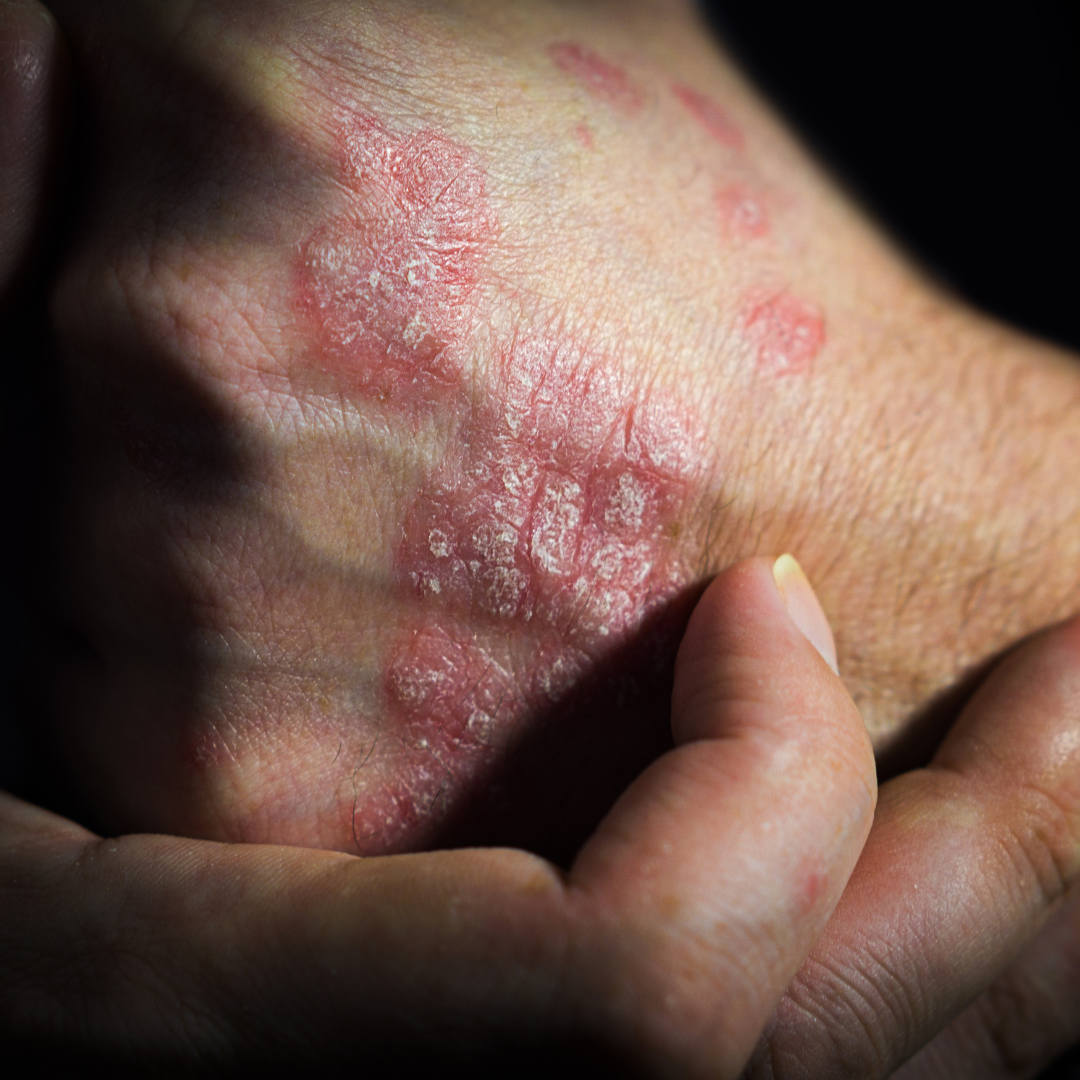
2. Psoriasis
Psoriasis is a skin disease that causes red, scaling skin lesions. The most common form of psoriasis is plaque psoriasis, which affects the scalp, face, and nails. Other forms of psoriasis include inverse psoriasis (where the lesions become more severe in dry climates), guttate psoriasis (where small, droplet-like lesions form on the skin), and sexual-orientation-based psoriasis (which affects people who are sexually active). Psoriasis can be difficult to treat and may require medication and/or therapy.
3. Eczema
Eczema is another common skin disease that causes red, itchy skin. It can be difficult to treat, but there are treatments available. Eczema can occur anywhere on the body but is most common on the face, neck, and hands. There is no known cause for eczema, but it is believed to be caused by a combination of genetics and environmental factors.
Eczema generally progresses over time and may become more severe. It can sometimes lead to secondary skin infections (such as staphylococcal infections), which can be very painful. Treatment for eczema typically includes topical treatments such as creams or ointments, topical antibiotics if necessary, and often lifestyle changes such as avoiding irritants. Facial treatments can also play a beneficial role in managing eczema symptoms by providing targeted care to the affected areas. Professional aestheticians, found by searching for “facial near me in Hollywood, FL (or similar terms)” on the Web, can tailor facial treatments to address the specific needs of eczema-prone skin. They can help incorporate gentle cleansing, hydrating, and soothing techniques to alleviate inflammation and promote healing. Additionally, certain facial products may contain ingredients known to calm irritated skin and strengthen the skin barrier, helping to reduce sensitivity and prevent flare-ups.
In some cases, however, surgery may be required to remove the affected area of the skin.
4. Rosacea
Rosacea is a common skin condition that affects people of all ages. The symptoms of rosacea can vary from person to person, but they usually include redness, swelling, and pimples on the face. Rosacea can be a serious health problem if left untreated, and it can be difficult to find a cure.
There is no one cause of rosacea, but it is believed to be related to the way the skin is exposed to the sun and wind. Rosacea often occurs in people who have fair skin and light eyes. It is also more common in people who are overweight or have a family history of the condition. Rosacea can often be treated with over-the-counter creams and lotions, but there is no cure for the disease.
6. Warts
Warts are a common skin disease. They are small, raised bumps that can occur on any part of the body. There are many types of warts, but the most common are flat warts and papillomavirus warts.
Flat warts are the most common type and are usually found on the hands, feet, or face. Papillomavirus warts are thicker than flat warts and can be found on areas such as the neck, arms, and genitals. Other types of warts include plantar warts and genital warts. Plantar warts are found on the heels or balls of the feet and genital warts are found in areas around the genitals. They can be treated in several ways. You can visit a dermatologist and try topical creams like retinoids. Another option is immune-boosting injections that help the body fight off the warts naturally. However, if none of these treatments work and the condition starts affecting your daily life or confidence, you might need to consider a premier cosmetic surgery houston, or in other locations nearby. This treatment can target the blood vessels inside the warts, and help to remove them and restore your skin’s natural texture.
5. Skin Tags or Acrochordons
Skin tags are benign, fixed growths on the skin that can be bothersome, but rarely cause any serious health problems. They typically occur on the trunk, neck, and arms, and are most common in adults aged 30 to 50. There are many types of skin tags, but the most common are called acrochordons.
Acrochordons are usually 0.5 to 2 inches (1 to 5 cm) in length, have a stalk-like tip, and a smooth surface. They can vary in color from light brown to black, and they can be slightly raised or bumpy.
Acrochordons are caused by a build-up of tissue called connective tissue around the nerve endings near the skin. This tissue can become thick and bumpy with time, which is what leads to the appearance of skin tags. In some cases, acrochordons may also lead to pain or tenderness when touched.
Skin diseases come in all shapes, sizes, and levels of severity. The four most common skin diseases, according to the Academy of Dermatology, are acne, eczema, psoriasis, and rosacea. If you believe you may be suffering from one of these skin diseases, you should see a dermatologist to get the right diagnosis and develop an effective treatment plan. Don’t suffer needlessly – take action today.