In a world where health and fitness goals take centre stage, tracking progress has become essential for success. The best health and fitness apps for goal tracking not only simplify the journey but also provide valuable insights that can lead to sustainable change. With a plethora of options available, users can find tailored solutions that fit their unique lifestyles and aspirations.
From comprehensive tracking of workouts and nutrition to mindfulness and recovery support, these apps are designed to keep users motivated and accountable. As individuals strive for their objectives, having the right tools at their disposal can make all the difference in reaching milestones effectively and efficiently.
Exploring the top health and fitness apps reveals a variety of features that cater to different needs, whether one is focused on weight loss, muscle gain, or overall wellness. Users will benefit from discovering which applications stand out in the crowded digital landscape, ensuring they have the best resources for their health journey.
Essential Features of Health and Fitness Apps for Goal Tracking
Effective health and fitness apps incorporate several critical features that enhance the user experience and aid in achieving fitness goals. These elements focus on customisation, data tracking, integration, and usability to create a well-rounded platform for users.
Personalised Goal Setting
Personalised goal setting is fundamental for maintaining motivation and focus. Many fitness apps offer the ability to set specific, measurable, achievable, relevant, and time-bound (SMART) goals.
Users can tailor their objectives based on personal preferences, fitness levels, and timelines. This ensures that individuals can work on realistic targets, from weight loss to muscle gain.
The apps often provide suggestions based on user data, helping to align fitness aspirations with personal capabilities. This feature fosters engagement and a sense of ownership over one’s fitness journey.
Many users find the app suggestions work best when paired with ongoing human coaching — providers who combine bespoke training and nutrition plans with weekly progress reviews help translate data into meaningful, achievable steps.
Look for services that offer detailed feedback and unlimited support through a dedicated app to ensure goals are adjusted as progress changes, rather than one-size-fits-all plans. A good example of this integrated approach can be found at sites like expertpt.co.uk, where the focus is on personalised plans, habit-based adjustments, and regular check-ins. That blend of automated tracking and tailored coaching strengthens accountability and improves long-term adherence.
Comprehensive Fitness Data Tracking
Comprehensive fitness data tracking is essential for monitoring progress and making informed decisions. Health apps record various metrics, including steps taken, calories burned, heart rate, and workout duration.
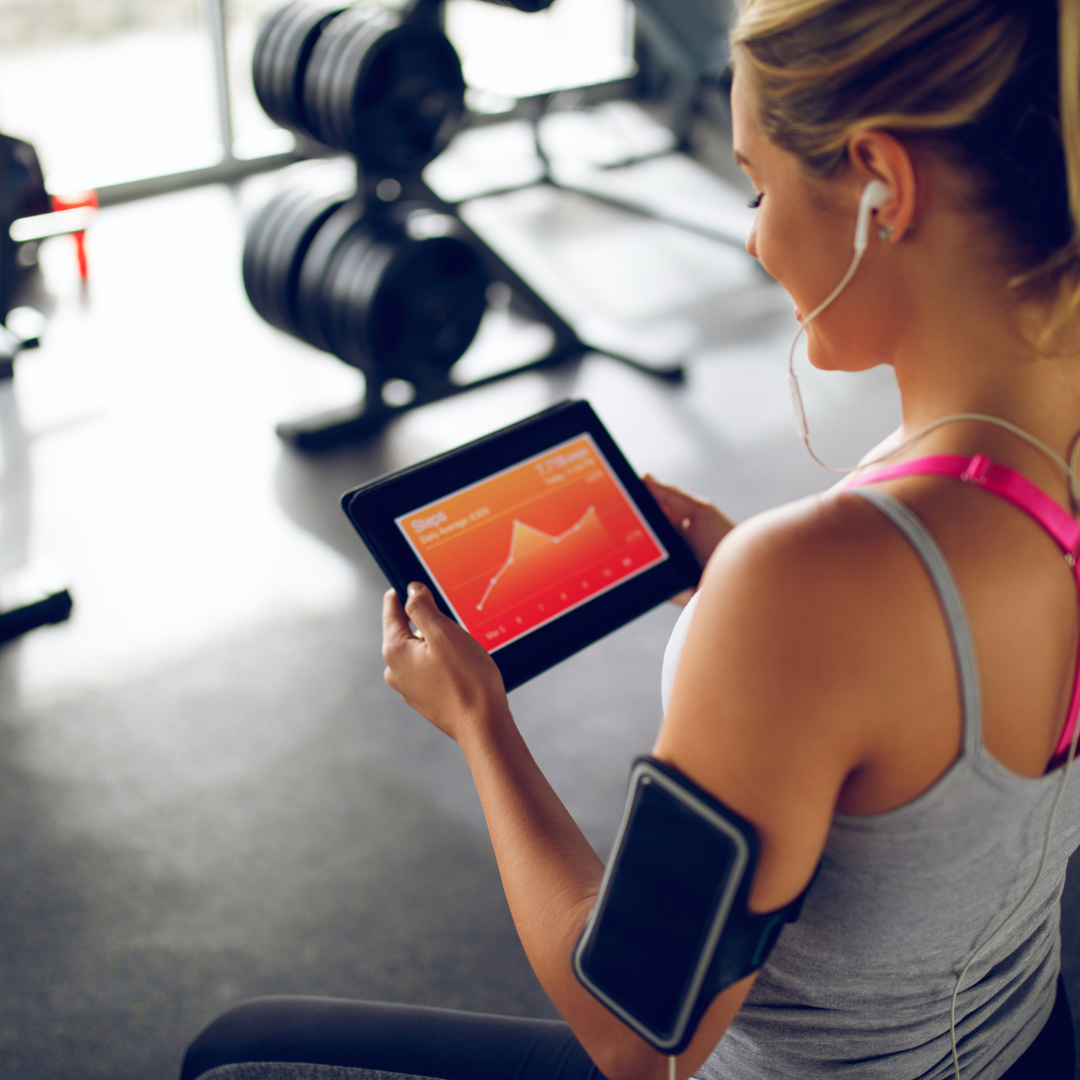
Users benefit from visual representations, such as graphs and charts, to analyse their performance over time. This data analysis can reveal trends, identify areas needing improvement, and celebrate milestones achieved.
Advanced apps also track nutrition and hydration, allowing for a holistic view of health. This comprehensive data empowers users to make adjustments to their routines and dietary habits effectively.
Integration with Fitness Trackers
Integration with fitness trackers significantly enhances the app’s functionality. Compatibility with devices such as smartwatches and fitness bands allows for seamless data synchronisation.
Users can monitor real-time metrics directly from their wearable devices, providing a more accurate reflection of their activity levels. The integration eliminates the need for manual entry, reducing human error and saving time.
Some apps also support third-party integrations, pulling data from various sources. This feature creates a central hub for all fitness-related information, making goal tracking more efficient.
User-Friendly Interface and Usability
A user-friendly interface is crucial for ensuring that users can navigate the app with ease. Clarity in design helps users access features and track their fitness journey without frustration.
Intuitive layouts, simple navigation, and accessibility features can significantly enhance user experience. The design should cater to all levels of tech-savvy individuals, from beginners to experienced users.
Moreover, incorporating reminders and notifications keeps users engaged and accountable. An efficient interface encourages consistent usage, which is vital for achieving fitness goals.
Top Health and Fitness Apps for Goal Tracking
Health and fitness apps have become essential tools for individuals looking to track their progress and achieve their goals. Below are some of the leading applications that excel in goal tracking capabilities.
MyFitnessPal
MyFitnessPal is a comprehensive app primarily focused on nutrition and exercise tracking. Users can easily log their meals using a vast database that includes millions of food items. The app’s barcode scanner simplifies meal entry, making it swift and efficient.
Key Features:
- Calorie Tracking: Allows users to set personalised calorie goals based on their weight loss or maintenance targets.
- Community Support: Users can connect with others for motivation and share tips, enhancing accountability.
Integration with other fitness apps and devices, like Fitbit and Garmin, ensures a holistic view of health goals. MyFitnessPal also provides reports on nutrients, helping users make healthier food choices.
Strava
Strava is predominantly a social network for athletes, particularly runners and cyclists. Its robust tracking capabilities make it ideal for monitoring distance, pace, and route. Users can turn their workouts into a competitive experience by comparing performance with others.
Key Features:
- Segment Tracking: Users can measure their performance on specific segments of a route, adding a competitive layer to workouts.
- Challenges: The app hosts regular challenges to keep users motivated, from personal bests to community competitions.
Strava’s integration with devices such as Oura and Garmin allows for comprehensive tracking of various sports activities and health metrics.
Fitbit
Fitbit offers a range of health and fitness tracking features across its devices and app. It focuses on daily activity tracking, exercise logging, and sleep monitoring. The app syncs data from Fitbit wearables, providing detailed insights into users’ habits.
Key Features:
- Activity Goals: Users can set daily steps, active minutes, and exercise goals with prompts to help them stay on track.
- Health Metrics: The app tracks heart rate, sleep patterns, and menstrual cycles, offering a complete health overview.
Fitbit also includes community features, allowing users to compete with friends and join group challenges. This social interaction can foster motivation and consistency.
Nike Run Club
Nike Run Club is tailored for runners, providing excellent tracking features and coaching tips. The app focuses on guiding users through their runs, whether they are beginners or seasoned athletes.
Key Features:
- Audio Guided Runs: Users can access guided runs, which feature professional coaches offering tips and encouragement throughout the workout.
- Personalised Plans: The app generates training plans based on individual goals and fitness levels, helping users prepare for races or improve their endurance.
Nike Run Club also tracks progress and shares achievements, encouraging users to set and reach new running milestones. Integration with other fitness devices and apps enhances its functionality for comprehensive tracking.
How Fitness Apps Support Different Goal Types
Fitness apps serve a vital role in helping users achieve specific health and fitness goals. They provide tools and resources tailored to various objectives, enhancing motivation, tracking progress, and fostering accountability.
Weight Loss and Calorie Tracking
For those aiming to lose weight, fitness apps often incorporate a calorie counter that logs daily food intake. Users can enter meals to get nutritional values, helping to stay within caloric goals. Many apps offer features like meal planning and personalised diet suggestions based on user preferences and goals.
Some popular weight loss apps also track daily steps and other forms of exercise, aiding users in maintaining a calorie deficit. Integration with fitness trackers and heart rate monitors allows for an accurate measurement of calories burned during workouts. This data supports effective adjustments to meal plans and activity levels.
Strength and Muscle Building
Apps focusing on strength and muscle building provide users with structured workout sessions. They may offer various training plans based on individual fitness levels, ensuring progressive overload. Users can select specific focus areas, such as building abs or enhancing upper body strength.
Many of these apps include guided instructions for proper technique, reducing injury risk. They also track weights lifted and workout frequency, allowing individuals to monitor strength gains over time. Some even feature social tools for community support and motivation.
Cardio, Running, and Endurance Training
For cardio enthusiasts, apps designed for running and cycling are particularly beneficial. They often include a pedometer to track daily steps and distance covered. Users can set specific goals, such as improving pace or completing a certain distance.
Training programs, including HIIT and endurance workouts, help users improve cardiovascular health. Many apps offer real-time feedback during workouts, enabling users to adjust intensity based on their heart rate. These features keep users engaged and challenge them to reach new fitness levels.
Mindfulness, Sleep, and Relaxation
Fitness apps also cater to mental wellness by offering tools for mindfulness, relaxation, and sleep quality improvement. Features like guided meditations help users manage stress levels, promoting a balanced approach to health.
Some apps track sleep patterns, providing insights into sleep quality and suggesting improvements. Users can access short yoga routines focusing on relaxation and stress relief, supporting overall well-being. These tools emphasise that mental health is as essential as physical fitness.
Tracking Performance and Progress Over Time
Consistent tracking of performance and progress is essential for achieving fitness goals. Health and fitness apps offer features that allow users to monitor various aspects of their fitness journey, including activity, health metrics, and achievements.
GPS and Activity Tracking
GPS tracking is critical for those engaged in outdoor activities. It provides accurate measurements of distance, pace, and route, making it easier for users to assess their performance over time.
Many apps offer a map view, allowing users to replay their routes and identify areas for improvement. Activity tracking extends beyond running; it can also include cycling, hiking, and walking.
With automatic tracking features, users can log sessions seamlessly. This capability ensures that every bit of effort contributes to their fitness journey without the need for manual entry.
Monitoring Health Metrics and Analytics
Tracking health metrics such as heart rate, blood oxygen levels, and stress levels can significantly enhance a user’s understanding of their fitness status. Many apps synchronize with wearable devices to provide real-time data.
Heart rate monitoring is vital during workouts to ensure proper intensity. Users can also analyse their health data over time through detailed analytics, which may include trends and patterns.
This feature allows for personalised insights, helping users make informed decisions about their training. Regularly reviewing these metrics can lead to improved performance and better health outcomes.
Motivation, Personal Bests, and Achievements
Motivation plays a key role in a user’s fitness journey. Many apps celebrate milestones and personal bests, providing notifications for achievements such as distance run or calories burned.
Users can set specific goals, which fosters a sense of accomplishment. The ability to view progress through visual metrics, like graphs or badges, adds an element of gamification.
Incorporating social features where users can share achievements fosters community support. Encouragement from peers and trainers can significantly impact motivation levels, helping users stay committed to their goals.