Eye health is crucial for maintaining quality of life, yet many individuals experience common eye conditions that can impact vision. From refractive errors like myopia and hyperopia to age-related issues such as cataracts and macular degeneration, these conditions are prevalent and often manageable with appropriate care.
Understanding these common eye conditions is essential for recognising symptoms early and seeking timely treatment. Scheduling annual eye exams prevent vision loss and play a significant role in diagnosing and addressing these issues before they lead to more serious complications.
By exploring these conditions further, readers can gain valuable insights into their own eye health and the steps they can take to protect their vision. Knowledge about prevention and management can empower individuals to maintain optimal eye health throughout their lives.
Common Types of Eye Conditions
Eye conditions can significantly impact vision and overall quality of life. Understanding the various types can lead to early detection and better management.
Refractive Errors
Refractive errors occur when the shape of the eye prevents light from focusing directly on the retina. Common types include:
- Myopia (Nearsightedness): Those affected can see near objects clearly, while distant objects appear blurry.
- Hyperopia (Farsightedness): This condition leads to difficulty focusing on close objects, while distant vision remains clear.
- Astigmatism: This causes blurred vision at any distance due to an irregularly shaped cornea or lens.
- Presbyopia: A common age-related condition where individuals struggle to see up close, often requiring reading glasses.
Each type can be corrected with glasses, contact lenses, or refractive surgery.
Cataracts
Cataracts develop when the eye’s lens becomes cloudy, leading to blurred vision. Symptoms may include:
- Difficulty seeing at night.
- Sensitivity to light.
- Fading or yellowing of colours.
Most cataracts are related to ageing, but other factors such as diabetes, smoking, and prolonged sun exposure contribute. Surgical intervention is common when vision impairment affects daily activities, involving the replacement of the cloudy lens with a clear artificial one.
Age-Related Macular Degeneration
Age-related macular degeneration (AMD) affects the macula, the central part of the retina responsible for sharp vision. There are two main types:
- Dry AMD: Characterised by the thinning of the macula, leading to gradual vision loss.
- Wet AMD: Involves the growth of abnormal blood vessels under the retina, causing rapid vision loss.
Risk factors include age, genetics, smoking, and obesity. Early detection through regular eye examinations is crucial for managing symptoms.
Diabetic Retinopathy
Diabetic retinopathy is a complication of diabetes that affects the eyes. It occurs when high blood sugar levels cause damage to the blood vessels in the retina. Symptoms can include:
- Blurred vision.
- Floaters.
- Dark areas in the vision.
There are two stages:
- Non-proliferative: Early stage with mild changes.
- Proliferative: Advanced stage involving new blood vessel growth, which can lead to severe vision loss.
Regular eye exams are vital for diabetics to monitor and manage this condition effectively.
Glaucoma
Glaucoma is a group of eye diseases that damage the optic nerve, often linked to increased intraocular pressure. Primary open-angle glaucoma is the most common type, developing slowly without noticeable symptoms until significant damage occurs. Key points include:
- Risk Factors: Age, family history, and high eye pressure contribute to the risk.
- Symptoms: Often asymptomatic in the early stages, leading to a gradual loss of peripheral vision.
Early diagnosis and treatment are essential to prevent irreversible vision loss, involving prescription eye drops or surgical options in advanced cases.
Symptoms and Diagnosis
Recognising symptoms of eye conditions is crucial for timely intervention. Accurate diagnosis involves a combination of patient history, symptom evaluation, and specific tests to confirm the underlying issue.
Identifying Symptoms
Common symptoms of eye conditions include:
- Blurred Vision: This can indicate refractive errors or more serious issues like cataracts.
- Eye Pain: Sharp or persistent pain may suggest conditions such as glaucoma or infections.
- Red Eyes: Often a sign of irritation or infection, it can also indicate more severe conditions.
- Vision Loss: Sudden or gradual changes in vision should prompt immediate attention.
- Spots and Flashes: Seeing spots or flashes of light may suggest retinal issues that require urgent evaluation.
Patients should be attentive to any changes in their vision or discomfort and seek professional advice when needed.
Diagnostic Procedures
Diagnosing eye conditions typically involves several steps:
- Patient History: The optometrist or ophthalmologist will discuss the patient’s symptoms, medical history, and any family history of eye conditions.
- Visual Acuity Test: This standard test assesses clarity of vision at varying distances.
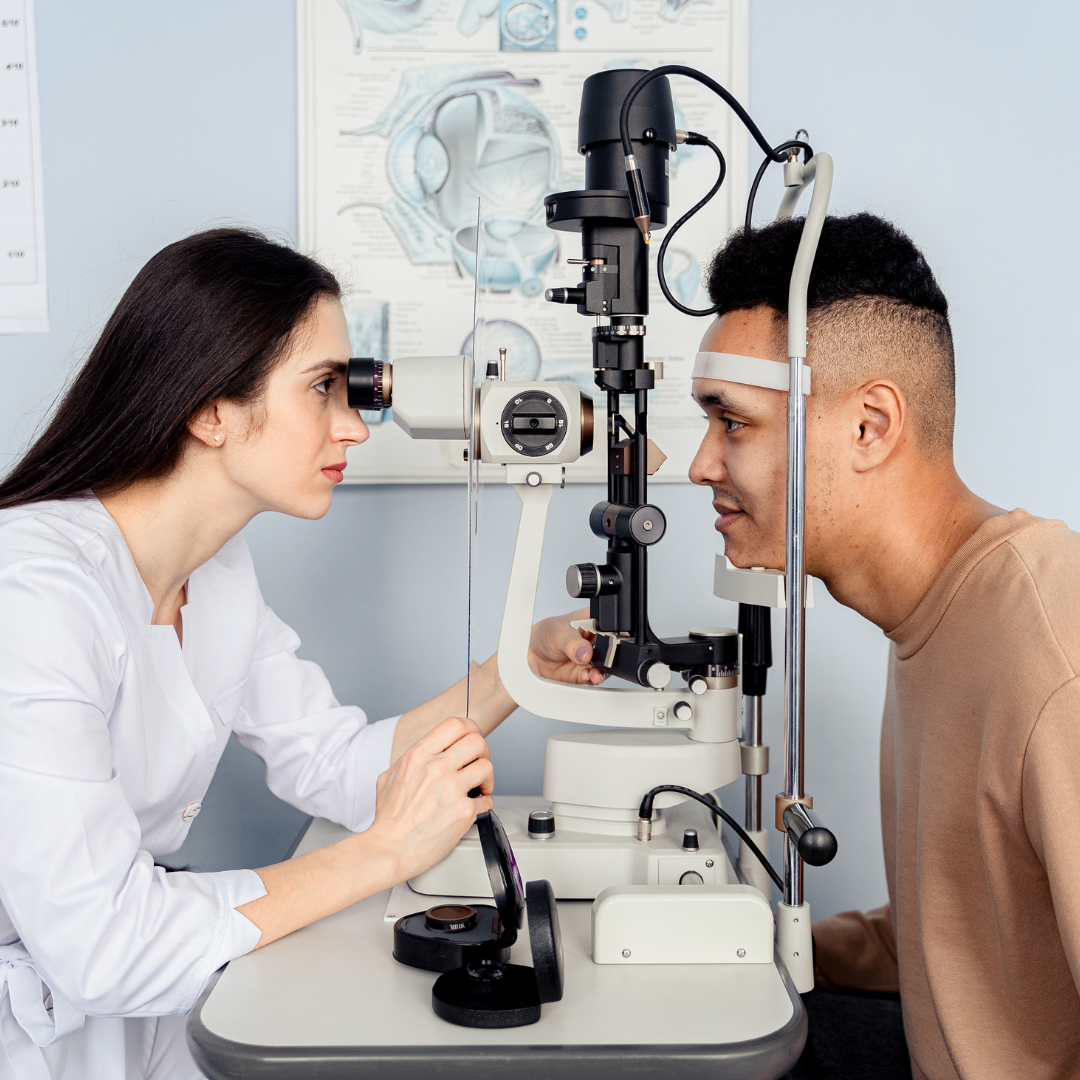
- Dilated Eye Exam: Eye drops are used to widen the pupils, allowing the doctor to examine the retina and optic nerve for signs of disease.
- Tonometry: Measures intraocular pressure, which can indicate glaucoma.
- Imaging Tests: Advanced imaging techniques, such as Optical Coherence Tomography (OCT), can provide detailed images of eye structures.
Prompt diagnosis often leads to better outcomes, making recognition of symptoms and understanding diagnostic procedures essential.
Treatment and Management
Managing common eye conditions requires a multifaceted approach that includes both medical interventions and lifestyle changes. Effective treatment aims to alleviate symptoms, improve vision, and prevent further deterioration.
Medications and Surgeries
Many eye conditions can be treated with medications such as antibiotics, anti-inflammatory drugs, or eye drops designed to manage intraocular pressure. For example, glaucoma often necessitates prostaglandin analogues or beta-blockers.
In more severe cases, surgical options may be required. Procedures like cataract surgery involve the removal of the cloudy lens and its replacement with an artificial one. Such vision-improving lens implantation procedures can not only restore clarity but can also reduce dependence on corrective eyewear, enhancing overall visual performance. Similarly, laser treatments can help in conditions like diabetic retinopathy and retinal tears. These interventions aim to restore or preserve vision, prevent complications, and improve quality of life.
Now, certain eye conditions can gradually develop as a result of distinct lifestyle choices or circumstances. For instance, individuals with type 2 diabetes may develop diabetic retinopathy, a serious condition characterised by damage to the retinal blood vessels, which can lead to serious vision impairment. In advanced cases, this may require surgical intervention such as laser photocoagulation or vitrectomy to stabilise or restore vision.
Another example is surfer’s eye, caused by chronic exposure to sunlight, wind, and dust, which can result in pterygium, a non-cancerous growth of the conjunctiva that extends onto the cornea. Fortunately, pterygium treatment can be successfully performed through surgical excision. These interventions can prove beneficial, especially when the growth interferes with vision or causes persistent irritation.
Lifestyle Adjustments
Incorporating lifestyle changes can significantly enhance eye health. Regular eye examinations are essential; they help in the early detection of conditions that may worsen over time. Maintaining a balanced diet rich in vitamins A, C, and E, zinc, and omega-3 fatty acids supports eye function.
Additionally, protecting eyes from UV light by wearing sunglasses is crucial. Reducing screen time and ensuring proper lighting can alleviate eye strain. Practising the 20-20-20 rule-taking a break every 20 minutes to look at something 20 feet away for 20 seconds-can help mitigate fatigue from digital screens.
Prevention and Eye Care
Maintaining good eye health is essential to preventing common eye problems and diseases. Simple, proactive measures can significantly reduce the risk of conditions such as dry eyes, uveitis, and glaucoma. One can incorporate small habits, like using a hot eye mask, to get relief from eye strain and dry eyes, and also to reduce puffiness. This simple addition can go a long way to promote relaxation and long-term eye health. Some other useful considerations are listed down below.
Regular Eye Exams
- Frequency: Adults should have an eye exam at least every two years, or annually if at higher risk.
- Benefits: Early detection of eye diseases can lead to more effective treatment.
Protective Measures
- Wear sunglasses that block 100% of UVA and UVB rays to protect against UV damage.
- Use safety goggles when engaging in activities that could harm the eyes.
Lifestyle Choices
- Maintain a balanced diet rich in leafy greens, carrots, and fish high in omega-3 fatty acids, which can benefit vision.
- Manage health conditions, such as diabetes and high blood pressure, as they can lead to eye diseases.
Eye Hygiene
- Practice good hygiene when using contact lenses. This includes regular cleaning and avoiding wearing them while sleeping.
- Take frequent breaks when using screens to prevent digital eye strain, often associated with dry eyes.
Hydration
- Stay adequately hydrated to prevent dry eyes. Drinking enough water supports overall eye moisture.
By adopting these measures, individuals can enhance their eye care routine and help preserve their vision for the future.